By Michael Phillips | NYBayNews
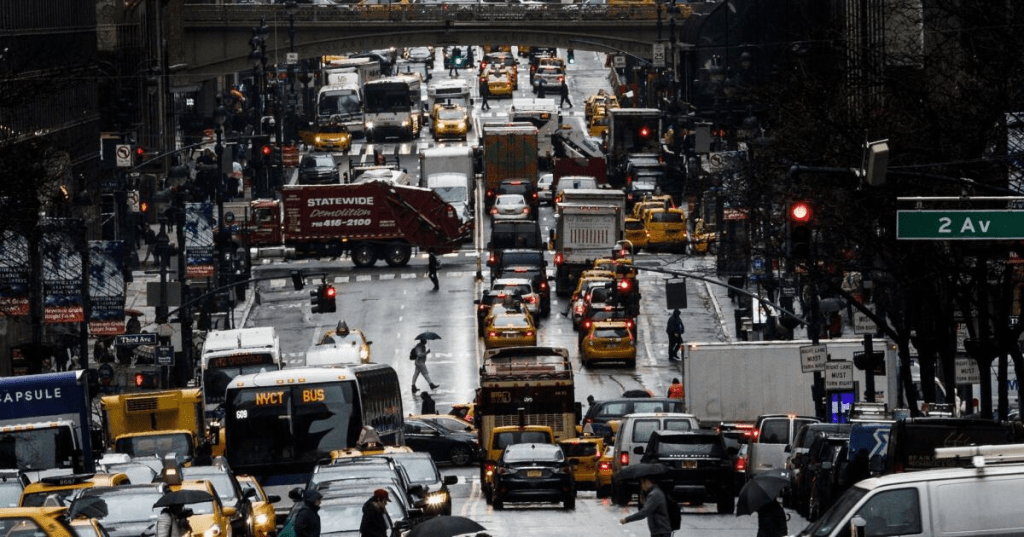
When New York’s congestion pricing program launched in January 2025—the first of its kind in the United States—state leaders promised a cleaner, faster, more affordable city. What many New Yorkers got instead was something far more familiar: another costly government mandate that hits working families while doing little to fix the underlying problems.
Now, nearly a year into daily tolls reaching as high as $21 per vehicle, and with the MTA openly relying on the new revenue to paper over budget failures, the backlash has reached a boiling point. A new opinion piece from the New York Post Editorial Board calls the program exactly what frustrated drivers and small business owners have suspected all along: “a cash grab, pure and simple.” And with President Trump again signaling he may revoke federal approval, the future of the tolling scheme hangs in the balance.
This is not just a debate over traffic—it’s a question of whether New York governance is accountable to the people footing the bill.
A Program That Promised Relief but Delivered Sticker Shock
Supporters of congestion pricing paint a glowing picture of reduced gridlock and new investment in public transit. But the on-the-ground reality tells a different story.
Gov. Kathy Hochul has repeatedly claimed congestion has dropped 11 percent, but independent traffic data from TomTom shows a far smaller impact—closer to 4 percent. Even the program’s own environmental review warned that the tolls could worsen traffic in parts of the Bronx and northern New Jersey as cars divert around Manhattan.
Meanwhile, the everyday financial pain is unmistakable:
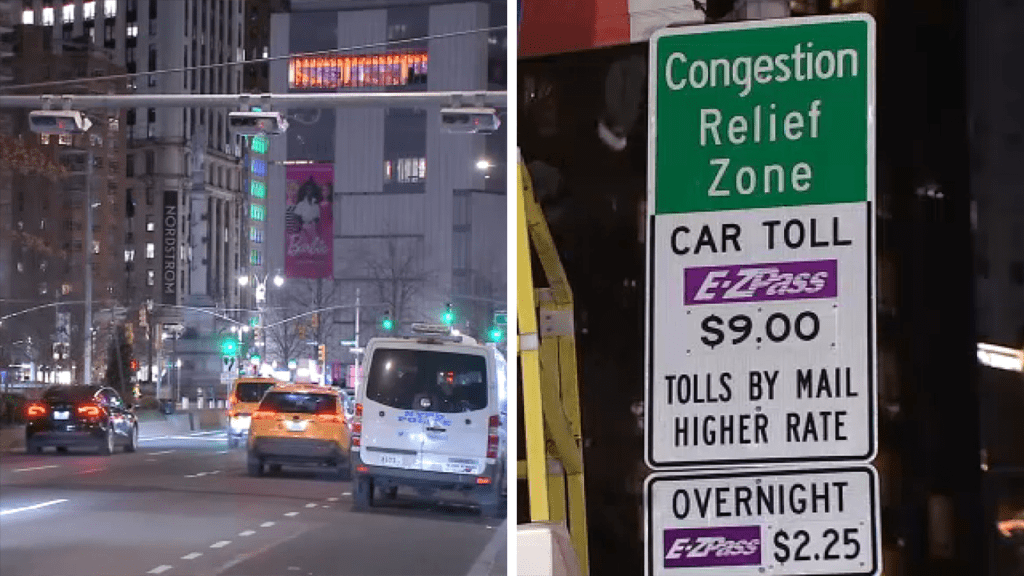
- Drivers entering Manhattan can pay $9 to $21 per day, depending on timing and vehicle class.
- Commercial operators—plumbers, delivery drivers, contractors—report passing on higher costs to customers.
- Outer-borough and suburban commuters, many with no reliable transit option, describe the program as a “working-class tax.”
This isn’t theoretical. These are the people most affected. Not the political donors. Not the Midtown strategists. Not the activists running modeling studies from university desks. Real families. Real paychecks.
The MTA’s Budget Problems Keep Landing on Everyone Except the MTA
Perhaps the most damning point in the Post’s editorial is the MTA’s insistence that congestion pricing is necessary—while simultaneously admitting the agency hemorrhages nearly $1 billion per year to fare evasion alone.
One billion dollars.
That is twice what the new tolls will bring in annually.
Instead of fixing the problem, enforcing existing laws, or demanding accountability from a transit bureaucracy with a decades-long record of overruns, MTA Chair Janno Lieber has proudly touted congestion pricing revenue as the answer to structural deficits.
New Yorkers know better.
Congestion pricing did not arise from smart planning or innovation. It arose from desperation—and from leadership unwilling to confront the causes of its own dysfunction.
A Burden on Small Businesses and Middle-Class Commuters
New York’s political class insists the tolls will make the city more “affordable.” Small business owners aren’t buying it.
Construction companies, caterers, delivery businesses, medical providers, and family-owned shops say invoices have risen 5–10 percent because of added toll costs. Those hikes go directly to consumers—not because businesses want to raise prices, but because the program leaves them no choice.
In effect, congestion pricing has become a regressive tax, one that hits the outer boroughs, tradespeople, and small businesses hardest while consultants and well-connected nonprofits cheer from a distance.
This is the kind of policy that makes ordinary New Yorkers feel like Albany and the MTA don’t just misunderstand them—they disregard them.
Did the Program Even Solve the Problem It Claimed to Fix?
The Post makes a compelling observation: the entire premise of congestion pricing rests on reducing congestion… yet congestion citywide remains stubbornly high. Recent INRIX data shows that drivers are still losing 43 hours a year to traffic delays—barely changed from pre-launch levels.
The questions practically ask themselves:
- If traffic hasn’t meaningfully improved, what exactly are we paying for?
- If the tolls are “temporary,” why do elected officials talk about them as a permanent revenue stream?
- And if fare evasion is costing double the amount congestion pricing brings in, why does Albany treat tolls as the solution?
For many New Yorkers, the answer is obvious: because this was never about congestion.
Enter President Trump: Will Washington Step In?
In February 2025, the Trump administration revoked federal approval for the program, calling it a “slap in the face” to workers and commuters. Gov. Hochul sued, and a federal court allowed the tolls to continue while litigation proceeds.
But the political winds have shifted again. At a November rally, Trump said he has directed Transportation Secretary Sean Duffy to take a “good, long look” at terminating the program once and for all. And on December 3, the DOJ formally pushed the court to move quickly on revocation.
If the court sides with the administration—or if federal approval is properly withdrawn—New York will face an urgent question:
What replaces the hundreds of millions the MTA now depends on?
Supporters of congestion pricing warn of service cuts. But critics argue that panic is part of the political playbook. Accountability is not a crisis—it’s a requirement.
Accountability Comes Before Affordability
Reasonable people can disagree about the best path forward for New York’s transportation future. But New Yorkers deserve better than a system where:
- Fares go unpaid,
- Waste goes unchecked,
- Tolls rise endlessly,
- And drivers are blamed for policy failures they didn’t create.
Congestion pricing may have noble goals, but in practice it has become exactly what many feared: a revenue machine built on the backs of working-class New Yorkers, with negligible results to show for the financial strain.
Albany must confront the truth: you cannot toll your way out of mismanagement.
And before New York asks working people to pay another dollar, the MTA must demonstrate transparency, discipline, and meaningful reforms—not more quick fixes.
Until then, the growing chorus calling congestion pricing a “cash grab” will only get louder.
 New York Bay News
Leave a comment