
By Michael Phillips | NYBayNews
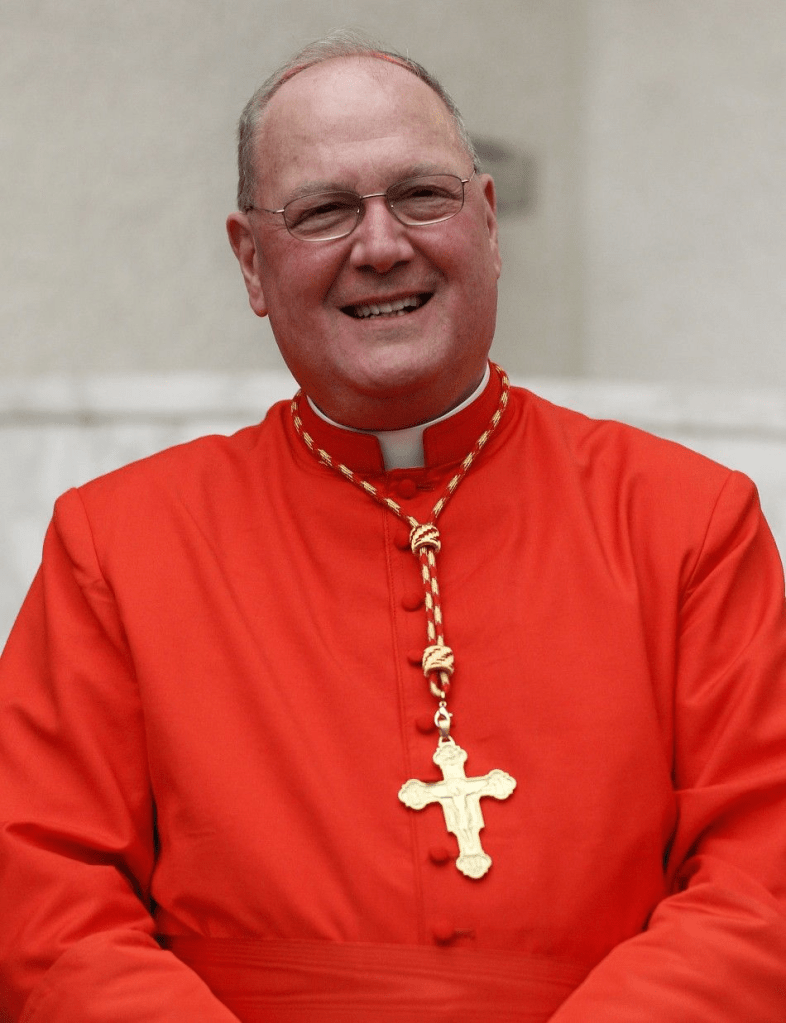
The resignation of Cardinal Timothy Dolan as Archbishop of New York—formally accepted on December 18, 2025, by Pope Leo XIV—marks the end of one of the most visible and consequential chapters in modern American Catholic leadership. After 16 years at the helm of the Archdiocese of New York, Dolan’s departure signals not just a routine changing of the guard, but a meaningful shift in tone and priorities.
Why Now? Canon Law Meets a New Papacy
Under Canon 401 of Church law, bishops submit their resignation upon turning 75. Dolan did so in February 2025. While popes often allow senior bishops to remain for several years beyond that milestone, Pope Leo XIV acted swiftly—an early indication of how the new pontiff intends to shape Church leadership, particularly in the United States.
Dolan has described the decision with grace, calling the appointment of his successor an “early Christmas gift,” and he will remain as apostolic administrator until the transition is complete.
The Successor: A Different Style for a Challenging Moment
Pope Leo XIV has appointed Ronald A. Hicks, the 58-year-old Bishop of Joliet, Illinois, as the next Metropolitan Archbishop of New York. His installation is scheduled for February 6, 2026, at St. Patrick’s Cathedral.
Hicks brings a markedly different profile. Soft-spoken and pastoral, he is known for bridge-building, fluency in Spanish, and years of missionary work in Latin America. His background under Cardinal Blase Cupich in Chicago places him squarely in the reform-oriented, Francis-aligned wing of Church leadership—a contrast to Dolan’s more outspoken, media-savvy conservatism.
Dolan’s Legacy: Visibility, Conviction, and Controversy
Appointed by Pope Benedict XVI in 2009 and elevated to cardinal in 2012, Dolan became a household name well beyond Catholic circles. A frequent presence on television and at national events, he defended religious liberty, spoke forcefully on life issues, and maintained relationships across the political spectrum—even as critics accused him of being too close to conservative politics.
At the same time, his tenure was defined by formidable challenges: navigating COVID-era closures, parish consolidations, and—most significantly—the long shadow of the clergy sexual abuse crisis. The archdiocese now faces mediation and settlements for more than 1,300 claims, backed by a recently announced $300 million compensation fund. Supporters credit Dolan with transparency and independent review processes; critics argue the institutional response came too slowly.
What’s Not Being Said Loudly Enough
Lost amid the personality profiles is the broader meaning of the transition. Pope Leo XIV’s prompt acceptance of Dolan’s resignation, and the choice of a quieter successor, suggests a deliberate recalibration—away from culture-war confrontation and toward pastoral credibility at a time when trust in institutions remains fragile.
There is also the financial reality: Hicks inherits an archdiocese under strain, with major payouts looming and difficult decisions ahead. The new leadership offers, in effect, a reset—one that may help the Church focus on healing without reopening old political battles.
Looking Ahead
Cardinal Dolan remains a cardinal and is expected to stay active in ministry, writing, and media projects. His imprint on New York Catholicism—charismatic, orthodox, and unapologetically public—will endure.
For New York’s 2.5–2.8 million Catholics, however, the appointment of Archbishop Hicks represents a new chapter: less combative, more pastoral, and closely aligned with the priorities of Pope Leo XIV. Whether that approach restores trust and steadies the Church through its next set of trials will be one of the most closely watched religious stories in the city in the years ahead.
 New York Bay News
Leave a comment