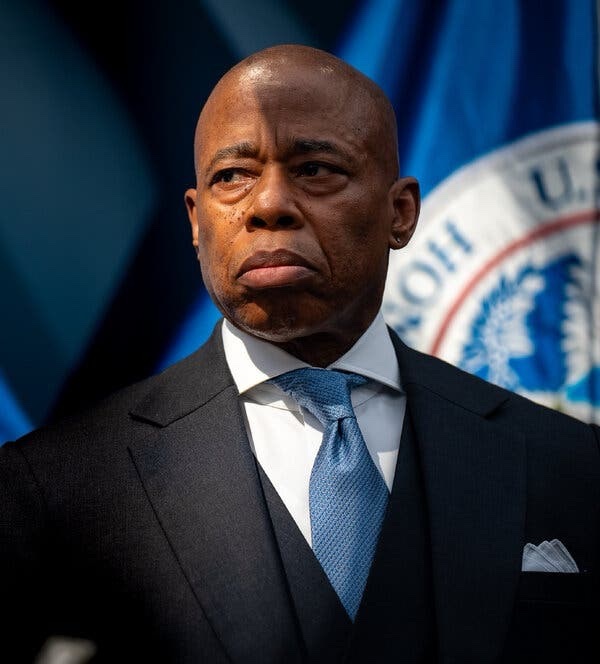
By Michael Phillips | NYBayNews
By the time Eric Adams leaves office at the end of 2025, his administration will have already long become synonymous with scandal, investigations, resignations, and alleged corruption on a scale few modern New Yorkers had ever witnessed. Even by Gotham’s famously rough political standards, the Adams years stood apart.
Historians and journalists increasingly compared the chaos surrounding City Hall to the excesses of 19th-century Boss Tweed and Tammany Hall—an analogy that would once have seemed hyperbolic, but by late 2025 no longer felt far-fetched.
This was not a single rogue official or isolated lapse in judgment. It was a sustained pattern that engulfed the mayor himself and radiated outward through his inner circle, campaign apparatus, and multiple city agencies.
A Sitting Mayor Indicted — and a Case That Raised Alarms Either Way
In September 2024, Adams became the first sitting New York City mayor in modern history to be federally indicted. Prosecutors charged him with bribery, wire fraud, conspiracy, and soliciting illegal foreign campaign contributions—alleging he accepted more than $100,000 in luxury travel and perks tied to Turkish nationals while intervening in city matters, including FDNY approvals.
The case ended not with a trial, but with controversy. In April 2025, a federal judge dismissed the charges with prejudice after the Trump Justice Department intervened, arguing the prosecution interfered with Adams’ cooperation on immigration enforcement. The judge allowed the dismissal but openly criticized it as appearing like a political “bargain,” prompting multiple federal prosecutors to resign in protest.
From a center-right perspective, the episode cut both ways. Supporters of Adams and the Trump administration argued the original indictment reflected “lawfare” and political retaliation by a Biden-era DOJ against a Democrat who broke ranks on immigration. Critics countered that dismissing a serious corruption case for policy convenience undermined faith in equal justice under the law.
What is indisputable is that the merits of the allegations were never adjudicated—and the cloud over City Hall never lifted.
Cronyism at the Core
Long before the indictment, Adams’ governing style raised red flags. He filled senior posts with longtime friends, former NYPD colleagues, romantic partners, and family connections—often at top-tier salaries and sometimes with thin resumes for the roles.
That culture proved combustible.
His chief adviser, Ingrid Lewis-Martin, was indicted multiple times on bribery, conspiracy, and money-laundering charges tied to alleged influence-peddling across city agencies. The Banks brothers—central figures in education and public safety—saw their phones seized and resigned amid federal scrutiny. A senior adviser overseeing migrant contracts resigned after FBI raids and multiple misconduct allegations. The police commissioner, schools chancellor, and multiple deputy mayors exited under clouds of investigation.
By 2025, more than 20 figures tied to Adams’ orbit had been charged, pled guilty, or formally investigated.
This was not merely “guilt by association.” Investigators described recurring patterns: straw-donor schemes exploiting New York’s public matching funds system, donors allegedly receiving city favors, and intermediaries soliciting kickbacks or “crumbs” from contracts.
A Wave of Resignations and Institutional Damage
The scale of turnover was staggering. Four deputy mayors resigned simultaneously in 2025, some explicitly citing concerns over ethics and governance after the mayor’s indictment dismissal. The NYPD endured its own cascade of scandals involving alleged extortion, sexual misconduct, and suppressed discipline cases.
Public trust collapsed. Adams’ approval rating fell to roughly 20 percent—among the lowest ever recorded for a New York City mayor. Facing political reality, he abandoned his reelection bid.
Even achievements Adams frequently touted—real reductions in shootings and homicides following the post-pandemic crime spike—were overshadowed by ethical collapse at the top. For many voters, competence on public safety could not compensate for what looked like systemic rot.
A Center-Right Reckoning
From a center-right standpoint, the Adams saga offers uncomfortable lessons.
First, aggressive law-and-order rhetoric and criticism of progressive policies do not inoculate a politician against corruption. Adams styled himself as a tough, pro-police realist, but that posture did not translate into disciplined governance.
Second, accusations of politicized prosecution may be valid in some cases—but they lose credibility when surrounded by pervasive misconduct among close associates. Weaponization claims resonate only when leadership maintains clear ethical distance.
Finally, the damage to New York’s institutions is real. Regardless of partisan framing, the volume of raids, indictments, and resignations eroded confidence in City Hall, law enforcement leadership, and the city’s contracting systems.
A Legacy Defined by Chaos
All accused individuals maintain their innocence, and several cases remain pending. But history rarely waits for verdicts when judging administrations.
Eric Adams entered office promising competence after years of ideological turbulence. He exited leaving behind an administration widely remembered for scandal, cronyism, and disorder—one that forced New Yorkers to revisit comparisons they hoped were buried with the Tweed Courthouse.
For a city that once prided itself on having learned from its past, the Adams years stand as a cautionary reminder: corruption does not require machine politics or smoke-filled rooms. Sometimes it arrives dressed as pragmatism, surrounded by friends, and confident no one is watching.
 New York Bay News
Leave a comment