By Michael Phillips | NYBayNews
A federal civil-rights appeal now before the United States Court of Appeals for the Second Circuit is raising significant questions about how police departments must accommodate individuals with disabilities during arrests and custodial interrogations.
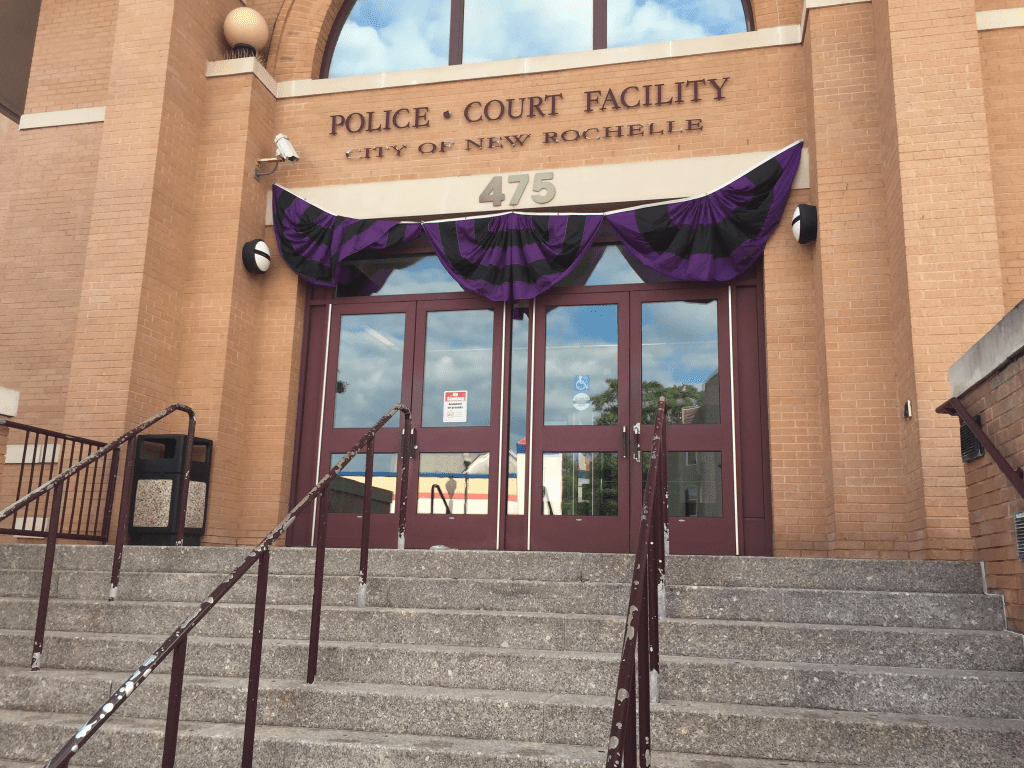
The case was brought by Marc H. Fishman, who alleges that the City of New Rochelle and its police department violated the Americans with Disabilities Act (ADA) and Rehabilitation Act by denying him a reasonable communication accommodation during a police interview.
According to filings submitted in December 2025, the City concedes that Fishman is disabled and that he requested assistance from his court-assigned ADA cognitive aide during questioning. Police nonetheless refused to allow the aide to participate.
Dispute Over Legal Standard
The appeal argues that the district court improperly dismissed the case by relying on a “greater injury or indignity” standard—an approach that has not been formally adopted by the Second Circuit. Instead, appellate precedent requires that public entities provide disabled individuals with “meaningful access” to government services, including police encounters.
Fishman’s attorneys argue that denying a communication accommodation during a custodial interrogation deprived him of meaningful access, regardless of whether physical injury occurred.
Broader Implications
The appeal also challenges officers’ admitted failure to engage in any interactive process to assess or provide accommodations after being notified of the disability—conduct that federal courts have previously found actionable on its own.
If the Second Circuit reverses the dismissal, the case would return to the lower court for trial, potentially clarifying disability-accommodation obligations for police departments throughout New York and the Second Circuit.
The court has not yet announced when it will hear oral argument.
 New York Bay News
Leave a comment