By Michael Phillips | NYBayNews
Just one week into his term, New York City Mayor Zohran Mamdani is facing a credibility test over housing policy—after a Bronx apartment building he personally praised as a nonprofit “success story” was revealed to have nearly 200 unresolved housing code violations.
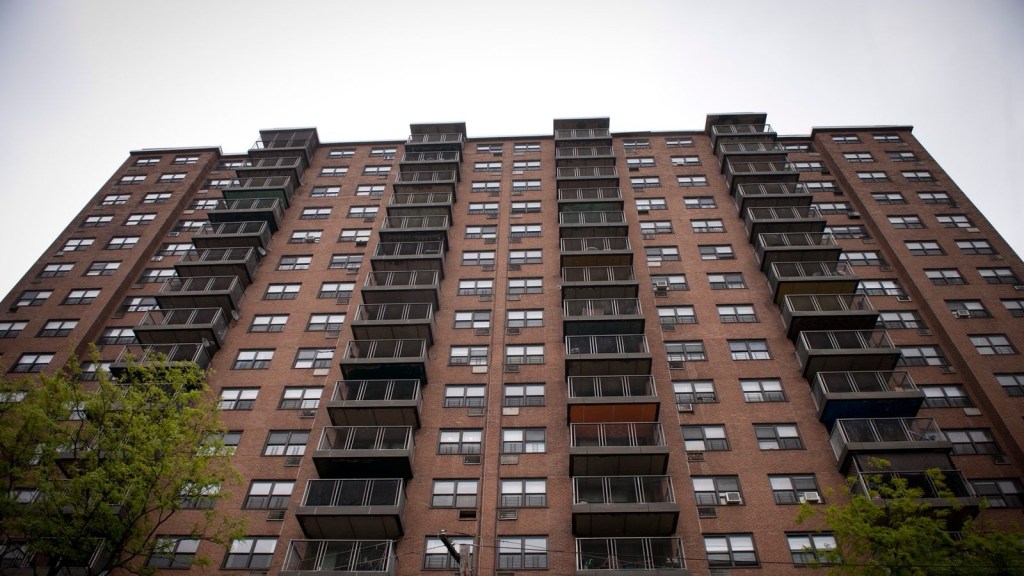
The building, a 102-unit affordable housing complex at 1520 Sedgwick Avenue in Morris Heights, was showcased by Mamdani on January 4 during a press event announcing his “Rental Ripoff” hearings and introducing his new Housing Preservation and Development (HPD) commissioner, Dina Levy. The mayor described the property as an example of how nonprofit ownership could preserve affordability and stabilize aging housing stock.
But investigative reporting published this weekend tells a very different story.
Nearly 200 Open Violations—Including Serious Hazards
According to city records cited in multiple reports, the Sedgwick Avenue building currently has 194 open HPD violations, some dating back to 2016. Of those, 88 are classified as Class C, the city’s most serious designation, reserved for conditions deemed “immediately hazardous.”
Reported issues include rat and roach infestations, mold, broken or unsafe appliances, leaky plumbing, faulty heating, missing smoke detectors, and structural disrepair. Several tenants told reporters that conditions have not improved—and in some cases worsened—since the building transitioned to nonprofit management more than a decade ago.
The optics are particularly damaging given Mamdani’s recent criticism of a privately owned apartment building in Brooklyn, which he cited as an example of landlord neglect. That property reportedly has less than half the number of serious violations found at the Bronx building he praised.
A Double Standard on Accountability?
From a center-right perspective, the controversy underscores a long-standing concern in New York housing policy: government-subsidized and nonprofit-run buildings often escape the scrutiny routinely aimed at private landlords, despite receiving substantial public support.
The Sedgwick Avenue property has benefited from millions in city financing and tax exemptions intended to ensure safe, affordable housing. Yet years-old violations remain unresolved, raising questions about enforcement, oversight, and incentives.
Critics argue that Mamdani’s early misstep highlights a broader flaw in his housing philosophy—one that prioritizes ideology over outcomes. While the mayor has vowed to aggressively target private landlords through hearings and expanded regulation, this episode suggests that ownership model alone does not guarantee quality or accountability.
Tenant Experience vs. Political Narrative
Perhaps most troubling is the gap between political messaging and tenant experience. Longtime residents quoted in coverage said the building was better maintained under prior private ownership, challenging the assumption that nonprofit control is inherently superior.
That disconnect matters. For families living with mold, pests, or unreliable heat, the debate over public versus private management is academic. What matters is whether the city enforces its own housing standards consistently—regardless of who owns the deed.
An Early Warning Sign
Mayor Mamdani has made housing the centerpiece of his administration, promising to rein in “bad actors” and remake the system in favor of tenants. But the fallout from 1520 Sedgwick Avenue suggests that rhetoric will not substitute for results.
If the mayor intends to hold landlords accountable, his administration will need to start by holding itself—and its nonprofit partners—to the same standard. Otherwise, New Yorkers may conclude that the city’s housing crisis is being managed with politics first and performance second.
For now, the Sedgwick Avenue controversy stands as an early warning: reform slogans are easy; fixing buildings is harder.
 New York Bay News
Leave a comment