By Michael Phillips | NYBayNews
A new proposal unveiled by Kathy Hochul signals a tougher stance from Albany on the exploding electricity demands of data centers—particularly those tied to artificial intelligence—while aiming to shield everyday New Yorkers from higher utility bills.
According to a January 13, 2026 report by Bloomberg, the Hochul administration plans to require large power users that deliver limited job creation or economic benefit to either generate their own electricity or pay higher rates for drawing from the public grid. The policy was previewed as part of the governor’s 2026 State of the State agenda and folded into a broader affordability and ratepayer protection push.
A Shift Away From Implicit Subsidies
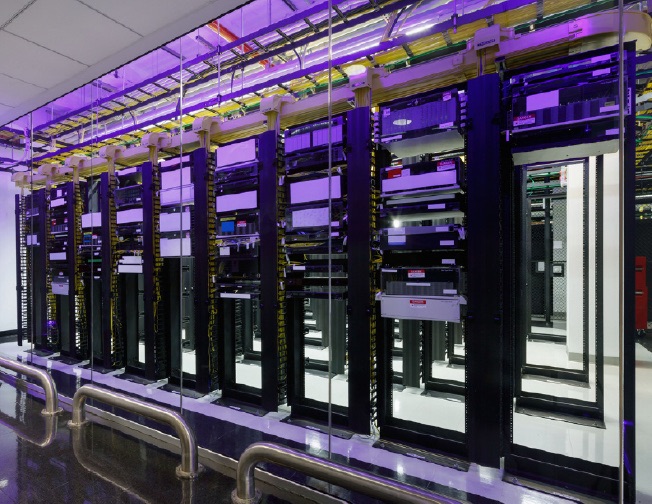
State officials argue that data centers—while critical to modern digital infrastructure—consume vast amounts of electricity while employing relatively few people compared to manufacturing or other traditional industries. Without intervention, that growing demand risks pushing grid upgrade costs onto households and small businesses.
The administration’s message is blunt: innovation is welcome, but not at the expense of ratepayers. Projects that deliver “exceptional job creation or other benefits” could still receive favorable treatment, but speculative or low-impact developments would no longer enjoy effectively subsidized grid access.
From a center-right perspective, the move reflects a pragmatic correction rather than anti-tech hostility. Markets work best when costs are transparent. Requiring major users to internalize their energy costs reduces cross-subsidization and sends clearer price signals about where and how to build.
Balancing Growth, Reliability, and Affordability
The initiative—often referred to as Energize NY Development—also aims to bring more predictability to grid interconnections. One concern raised by utilities and regulators alike has been “phantom load”: massive power requests from projects that may never be built, tying up capacity and planning resources.
By tightening the rules, New York hopes to prioritize projects that are real, economically meaningful, and willing to shoulder their share of infrastructure costs.
At the same time, Hochul is pairing the policy with an aggressive supply-side strategy. Her State of the State address called for up to 5 gigawatts of new nuclear power, more than doubling the state’s existing nuclear capacity over time. The goal is to create a reliable, zero-emission backbone capable of supporting AI, manufacturing, electrification, and population growth without constant rate shocks.
Critics and Supporters Diverge
Reactions have split along familiar lines. Consumer advocates and fiscal hawks see the proposal as overdue, arguing that families should not underwrite energy-hungry server farms. Some environmental groups, however, warn that new nuclear construction could prove costly or divert resources from renewables.
Business groups are watching closely. While some tech firms may bristle at higher costs, others value regulatory clarity and reliable power over uncertain grid access and future rate spikes.
A Test of Energy Realism
For years, New York’s energy debate has revolved around ambition versus practicality. This proposal suggests the Hochul administration is leaning—at least partially—toward realism: acknowledging that AI-driven growth has real costs, and someone has to pay them.
Whether the policy ultimately strengthens New York’s competitiveness or nudges investment elsewhere will depend on execution. But the underlying principle—that ordinary ratepayers should come first—is likely to resonate well beyond Albany, as states nationwide grapple with the same AI-powered surge in demand.
 New York Bay News
Leave a comment