Category: Politics
-
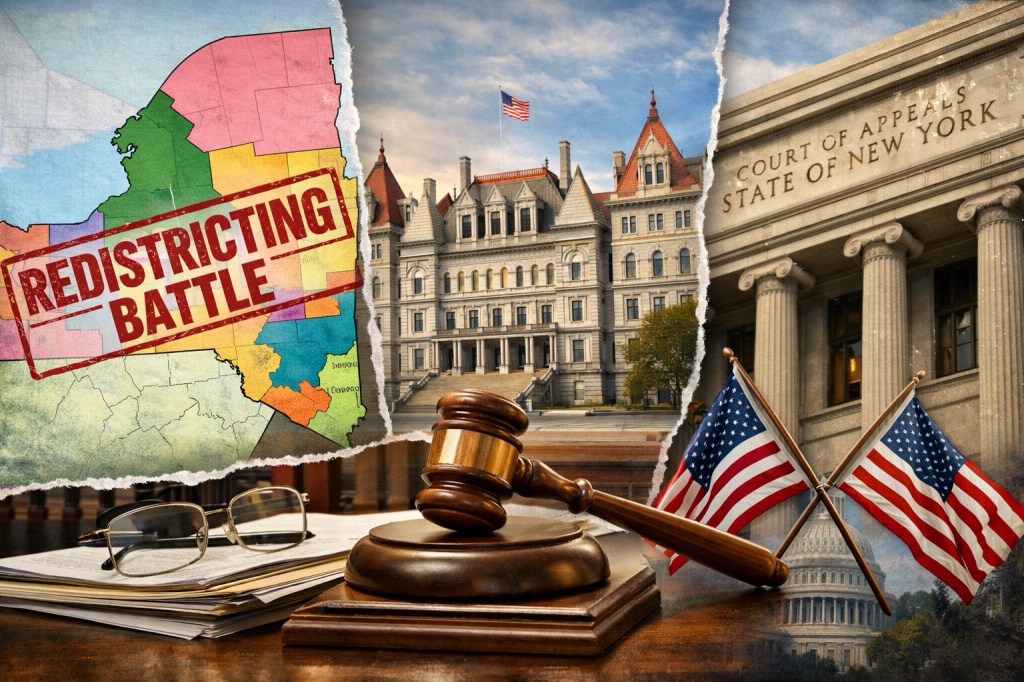
New York Edges Toward a Redistricting Brawl—Again
A court ruling has pushed New York back toward redistricting chaos, exposing the flaws in a system sold as “independent” but engineered to collapse. Once again, judges—not voters—may decide the map, raising serious questions about accountability, legitimacy, and democratic trust.
-
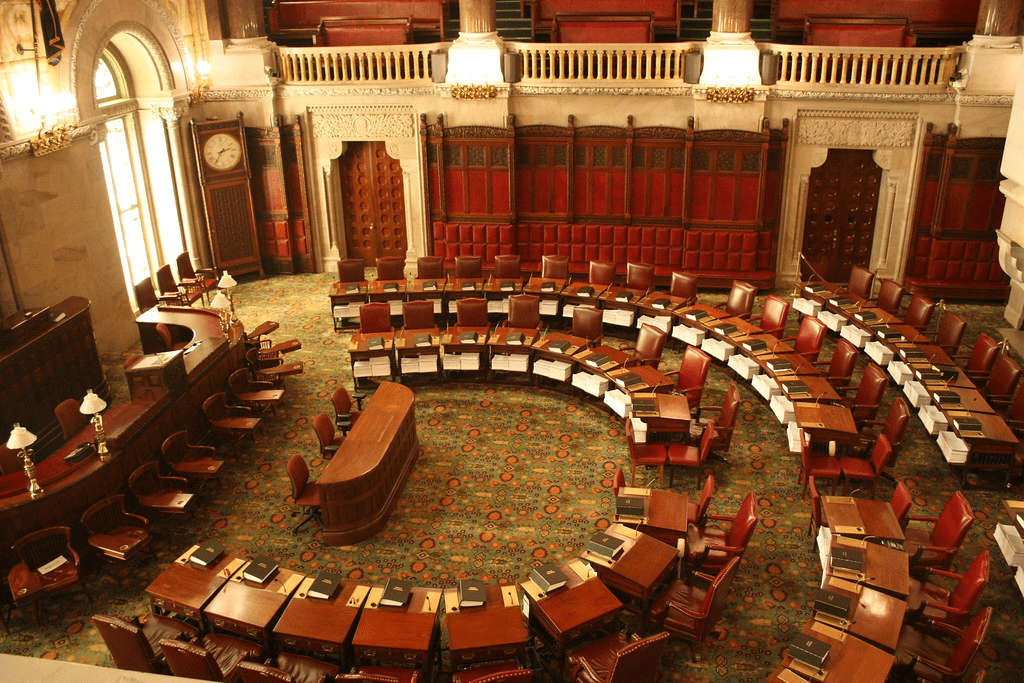
Albany Opens 2026 Session With Affordability Pledges—and Familiar Fault Lines
The New York State Legislature commenced its 2026 session, focusing on affordability, public safety, and partisan tensions. Governor Kathy Hochul emphasized child care expansion and cost reductions, while Republican leaders countered with tax relief proposals and public safety reforms. With a tight budget timeline, disagreements on economic policy and priorities loom.
-
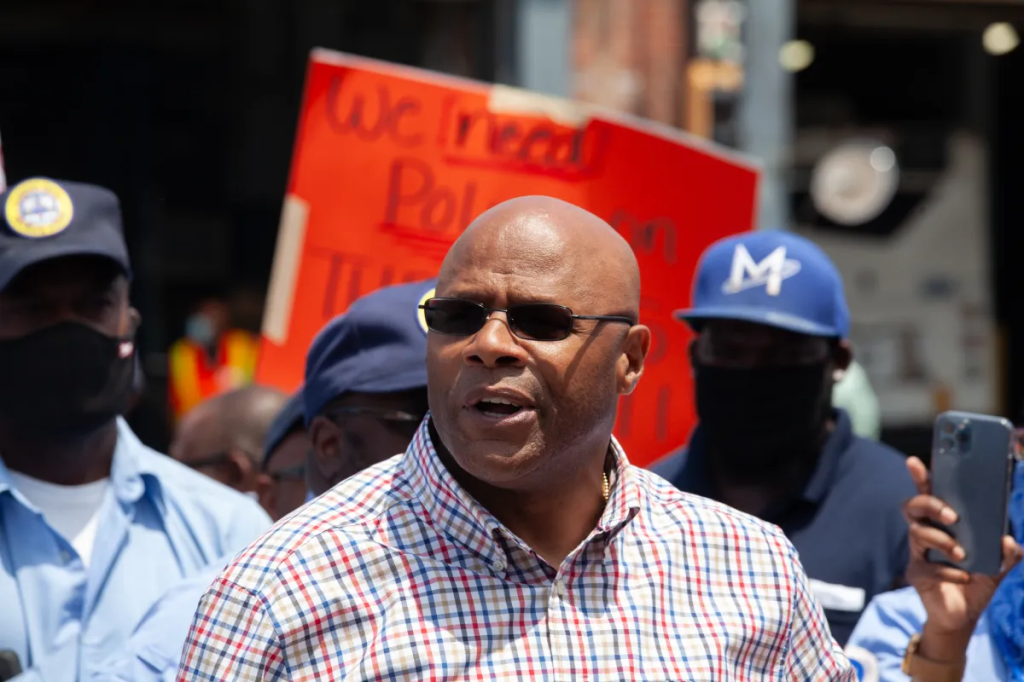
Former NYC Housing Liaison Charged in Bribery and PPP Fraud Case
Federal prosecutors have charged Anthony Herbert, a former New York City official, with bribery and fraud, alleging he exploited his position for personal gain. He faces six federal counts related to pay-to-play schemes totaling $16,000 and a fraudulent PPP loan application for over $20,000. Herbert, who pleaded not guilty, was released on bond.
-

New York Moves to Make Data Centers Pay More for Power as AI Demand Surges
New York Governor Kathy Hochul is taking aim at the soaring power demands of data centers, proposing higher electricity costs or self-generation requirements to protect households from rising utility bills as AI-driven growth strains the grid.
-

New Hampshire Considers First-in-the-Nation Move to Abolish Family Court System
New Hampshire’s House Bill 652 proposes significant changes to the family justice system, aiming to replace specialized Family Division courts with a mediation-first model under general jurisdiction courts. Advocates cite issues of bias and inefficiency, while opponents warn of potential chaos and loss of expertise. The bill has reignited a crucial debate on family law’s…
-

New York’s $1.2 Billion Medicaid Mess: What the CDPAP Scandal Really Shows
A viral claim suggests a $1.2 billion healthcare fraud scandal in New York’s Consumer Directed Personal Assistance Program (CDPAP). Spending escalated from $2.5 billion to over $12 billion annually, amid reports of fraud. Despite reforms, concerns about oversight and fiscal discipline persist, highlighting vulnerabilities in Medicaid programs.
-

Who Is Running for Governor of New York in 2026?
The 2026 New York gubernatorial election is scheduled for November 3, with party primaries on June 23. Incumbent Democrat Kathy Hochul seeks reelection against Antonio Delgado, while Republican Bruce Blakeman is the frontrunner. Despite New York’s Democratic leaning, key issues like affordability and safety will shape the race dynamics.
-

Massachusetts’ VMT Push: Climate Planning or a Quiet War on Driving?
Massachusetts lawmakers are considering Senate Bill S.2246 to reduce vehicle miles traveled and emissions. While the bill does not impose driving limits, critics warn it could pressure drivers, particularly in rural areas, by prioritizing public transit over road expansions. This reflects a trend towards centralized climate policies, raising concerns about personal mobility.
-
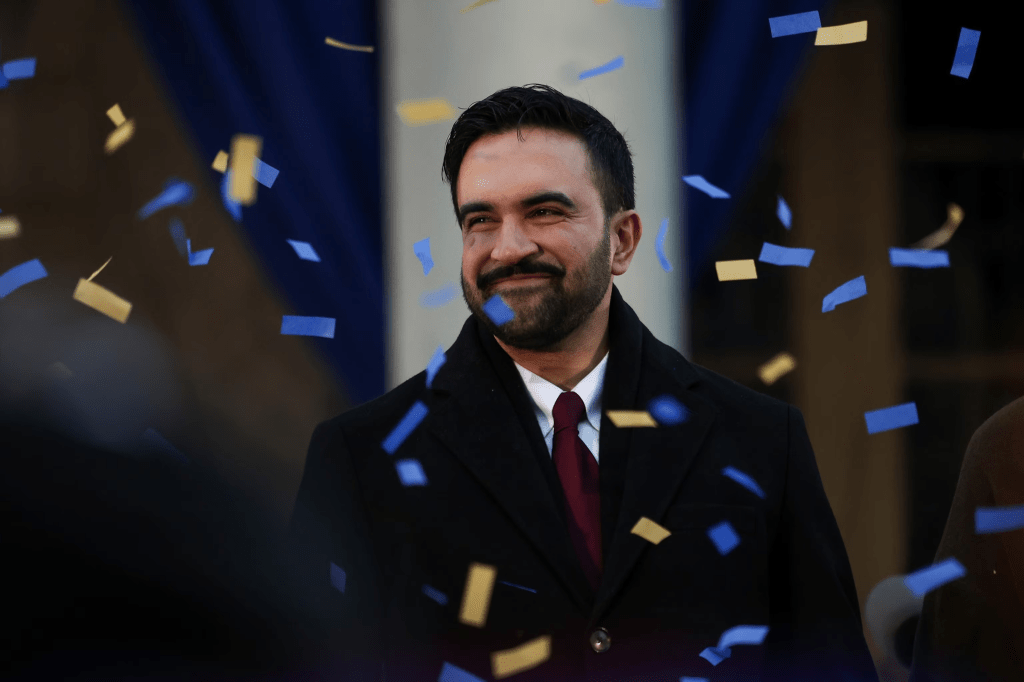
New York Wakes Up to a Socialist Mayor—and the Shock Is the Story
New York City’s youngest and first Muslim mayor, Zohran Mamdani, began his term with a focus on democratic socialism, sparking intense media and public reactions. While supporters see a chance for change, critics voice concerns over economic viability and policies. The backlash reflects deeper anxieties about socialism’s implications amid the city’s challenges.
-

ElevenLabs Bets on New York: Hochchul Touts AI Expansion as Economic Win, Critics Watch Incentives Closely
On January 6, 2026, Governor Kathy Hochul announced ElevenLabs’ expansion in New York City, promising 230 new tech jobs and $33 million in R&D investment. The performance-based tax credits aim to attract top AI talent while ensuring fiscal responsibility. This expansion reflects New York’s ambition as a global AI hub amidst regulatory challenges.
 New York Bay News