Category: Albany Watch
-
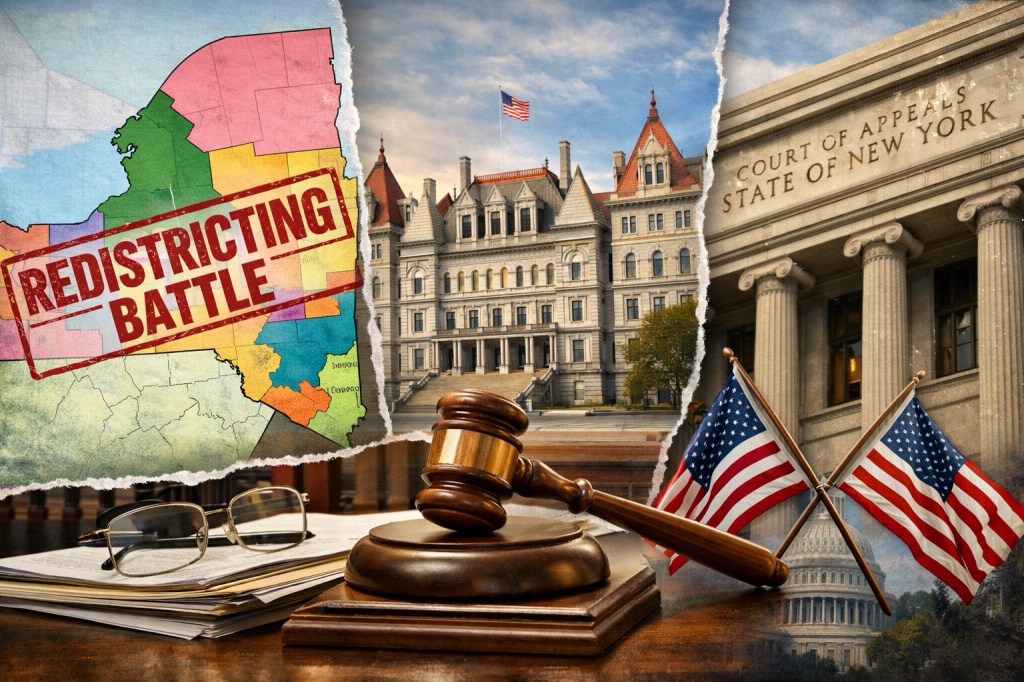
New York Edges Toward a Redistricting Brawl—Again
A court ruling has pushed New York back toward redistricting chaos, exposing the flaws in a system sold as “independent” but engineered to collapse. Once again, judges—not voters—may decide the map, raising serious questions about accountability, legitimacy, and democratic trust.
-
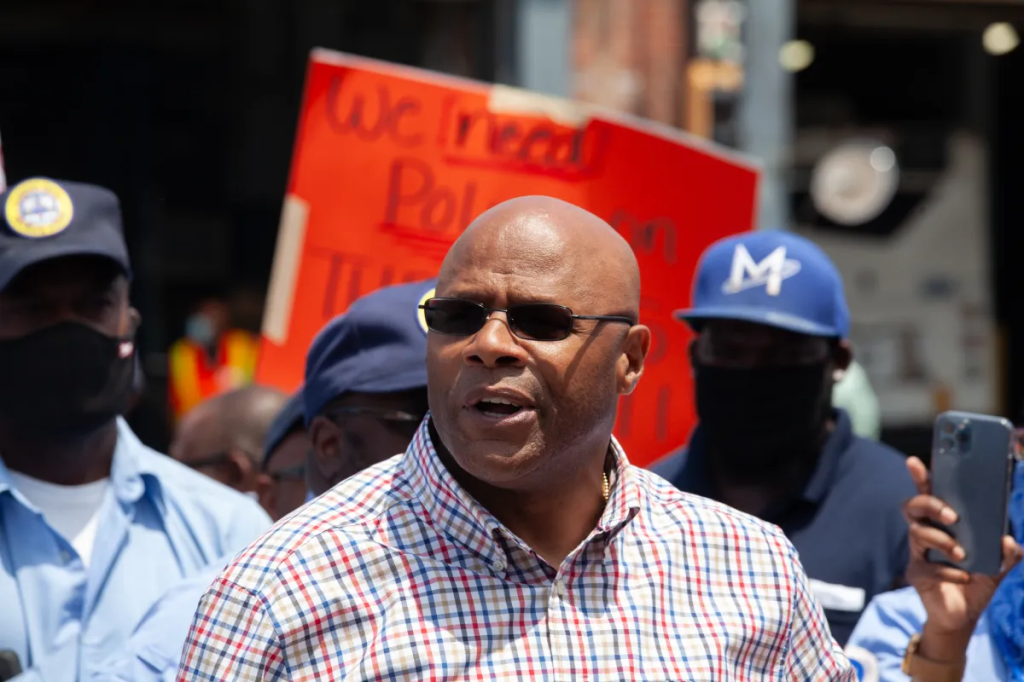
Former NYC Housing Liaison Charged in Bribery and PPP Fraud Case
Federal prosecutors have charged Anthony Herbert, a former New York City official, with bribery and fraud, alleging he exploited his position for personal gain. He faces six federal counts related to pay-to-play schemes totaling $16,000 and a fraudulent PPP loan application for over $20,000. Herbert, who pleaded not guilty, was released on bond.
-

New York’s $1.2 Billion Medicaid Mess: What the CDPAP Scandal Really Shows
A viral claim suggests a $1.2 billion healthcare fraud scandal in New York’s Consumer Directed Personal Assistance Program (CDPAP). Spending escalated from $2.5 billion to over $12 billion annually, amid reports of fraud. Despite reforms, concerns about oversight and fiscal discipline persist, highlighting vulnerabilities in Medicaid programs.
-
Who Is Running for Governor of New York in 2026?
The 2026 New York gubernatorial election is scheduled for November 3, with party primaries on June 23. Incumbent Democrat Kathy Hochul seeks reelection against Antonio Delgado, while Republican Bruce Blakeman is the frontrunner. Despite New York’s Democratic leaning, key issues like affordability and safety will shape the race dynamics.
-
ElevenLabs Bets on New York: Hochchul Touts AI Expansion as Economic Win, Critics Watch Incentives Closely
On January 6, 2026, Governor Kathy Hochul announced ElevenLabs’ expansion in New York City, promising 230 new tech jobs and $33 million in R&D investment. The performance-based tax credits aim to attract top AI talent while ensuring fiscal responsibility. This expansion reflects New York’s ambition as a global AI hub amidst regulatory challenges.
-
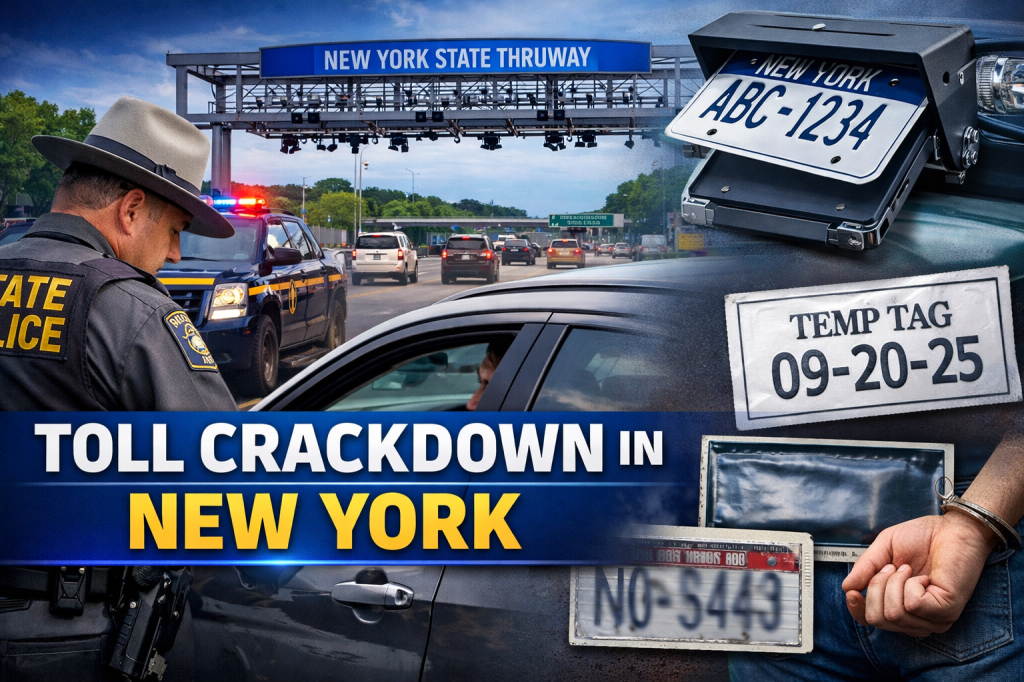
New York Cracks Down on Toll Cheats as “Ghost Plate” Evasion Grows
New York officials report success in combating toll evasion, resulting in 170 impounded vehicles and over 1,000 tickets during recent operations. The crackdown targets fraudulent license plates and reinforces the importance of fairness in toll compliance. However, debates linger on balancing enforcement with affordability amidst significant revenue losses from unpaid tolls.
-
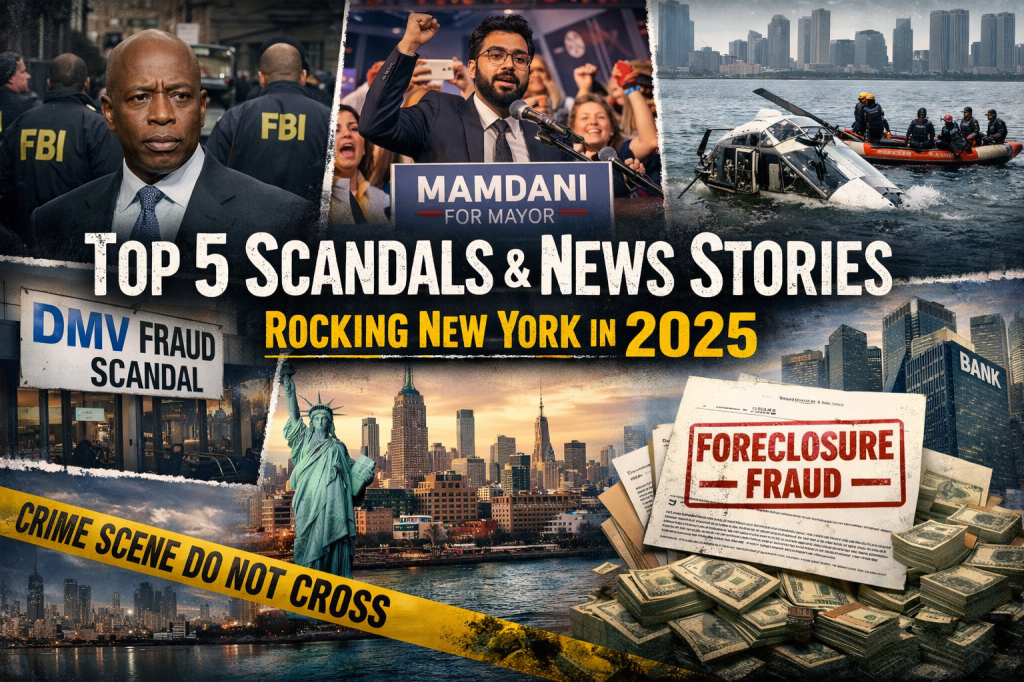
Top 5 Biggest Scandals and News Stories to Rock New York in 2025
From City Hall corruption and a historic mayoral upset to deadly public-safety failures and systemic financial misconduct, 2025 exposed deep cracks in New York’s political and institutional foundations—raising urgent questions about accountability in a one-party state.
-
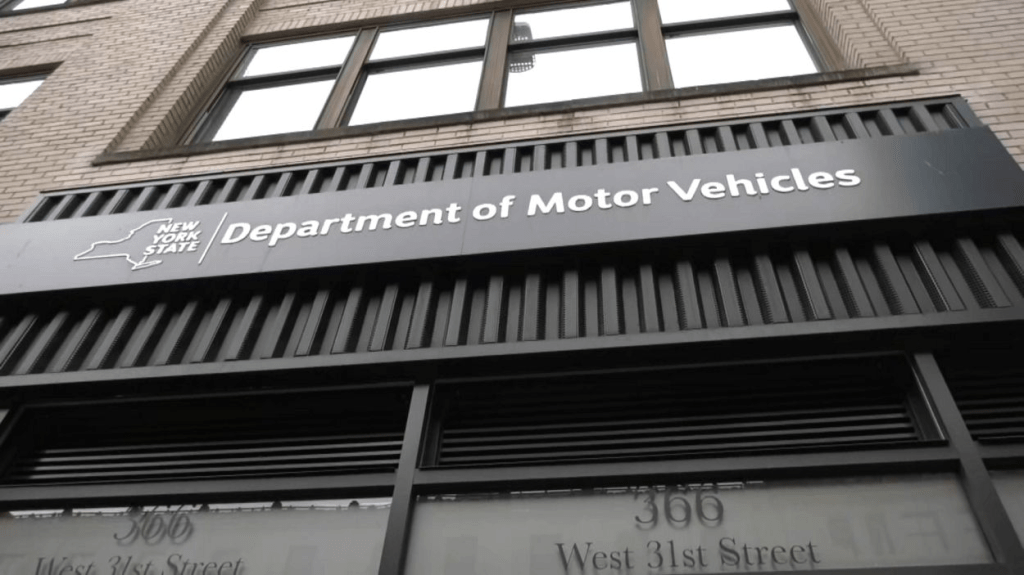
Federal Judge Tosses DOJ Challenge to New York’s Green Light Law, Reigniting Debate Over Safety, Privacy, and Enforcement
A federal judge dismissed the Trump administration’s lawsuit against New York’s Green Light Law, upholding state privacy and licensing provisions despite concerns over public safety and immigration enforcement. Critics highlight the lack of local data on safety impacts, while supporters argue the law improves road safety and accountability. The legal battle continues.
-
NY’s High Court to Family Judges: You Can’t Take Kids Without Real Lawyers Anymore
New York’s highest court ruled that the government must adhere to constitutional due process when terminating parental rights. The Court of Appeals overturned a case against a Syracuse mother, highlighting the need for effective legal representation for indigent parents. This landmark decision demands reforms to ensure fair hearings in termination cases across the state.
-

Letitia James Escapes a Second Indictment—but the Political Damage May Be Just Beginning
New York Attorney General Letitia James will not face criminal charges after prosecutors declined a second indictment regarding her former chief of staff, Ibrahim Khan. Although legally vindicated, the political implications remain serious, raising questions about accountability and transparency in state governance amidst ongoing skepticism toward officials.
 New York Bay News