Category: State & Regional Politics
-

Massachusetts’ VMT Push: Climate Planning or a Quiet War on Driving?
Massachusetts lawmakers are considering Senate Bill S.2246 to reduce vehicle miles traveled and emissions. While the bill does not impose driving limits, critics warn it could pressure drivers, particularly in rural areas, by prioritizing public transit over road expansions. This reflects a trend towards centralized climate policies, raising concerns about personal mobility.
-

Massachusetts’ $2.1B Sagamore Bridge Replacement Highlights the Cost of Critical Infrastructure
Massachusetts is progressing with the $2.1 billion Sagamore Bridge replacement, aimed at improving safety and economic reliability. However, the project affects Bourne’s Round Hill neighborhood significantly, as eminent domain proceedings will displace families. While necessary for regional resilience, this project raises concerns about the balance between public benefit and individual loss.
-
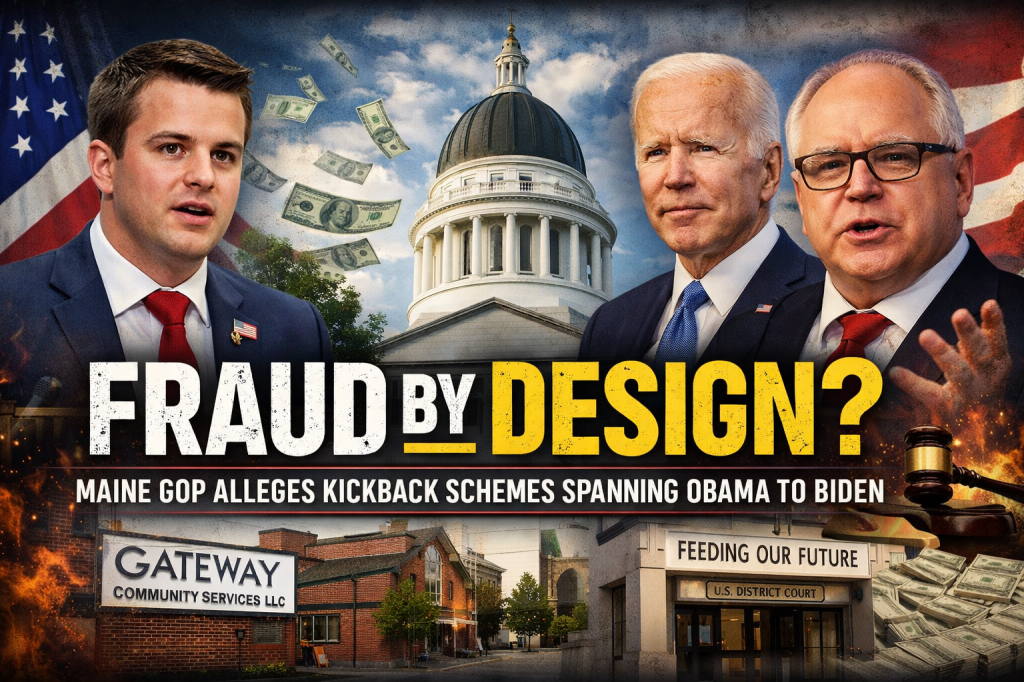
Maine GOP Warns of “Fraud by Design” as Medicaid Scandal Fuels National Debate
A Medicaid fraud investigation in Maine, involving Gateway Community Services LLC and over $1.7 million in overbilling, has sparked political tensions. Republican leaders accuse Democratic administrations of fostering a culture of fraud, while Democrats caution against politicization. Ongoing investigations may reshape oversight and funding of social programs nationwide.
-

New Hampshire Enacts First Statewide Sanctuary City Ban in New England
New Hampshire has enacted a statewide ban on sanctuary city policies effective January 1, 2026, under Republican Governor Kelly Ayotte. The law, stemming from bipartisan support, mandates cooperation with federal immigration authorities and penalizes non-compliant municipalities. Critics argue it could damage community trust and is unnecessary in a state with low undocumented populations.
-

Massachusetts’ 2026 Laws: Public Safety, Cannabis Expansion, and a High-Stakes Ballot Year
As Massachusetts approaches 2026, new laws and ballot initiatives highlight a trend of government expansion with significant voter involvement. Key changes include regulated cannabis consumption, mandatory boating safety education, increased paid family leave benefits, and a crowded ballot with impactful proposals. The year will examine policy effectiveness versus regulatory complexity.
-

New Jersey Democrats Push State-Level Voting Rights Law — Critics Warn of Overreach and Litigation Risks
New Jersey’s Democratic delegation is advocating for the Voter Empowerment Act, aiming to enhance voting rights in response to federal court rulings. The bill proposes expanded language assistance, new legal tools for election challenges, and preclearance for local election changes. Critics raise concerns over litigation risks and potential impacts on voter confidence.
-

NJ Family Leave Expansion Heads to Governor’s Desk, Raising New Concerns for Small Businesses
New Jersey’s new family leave bill expands job protection to employees at businesses with 15 or more workers. If signed by Governor Murphy, it reduces eligibility criteria and allows up to 12 weeks of unpaid leave. While supporters argue it benefits workers, critics caution about the burdens on small businesses, highlighting a balance in policymaking.
 New York Bay News