Tri-State Region
- New Jersey
- Connecticut
- Pennsylvania
New England Desk
- Massachusetts
- Rhode Island
- New Hampshire
- Vermont
- Maine
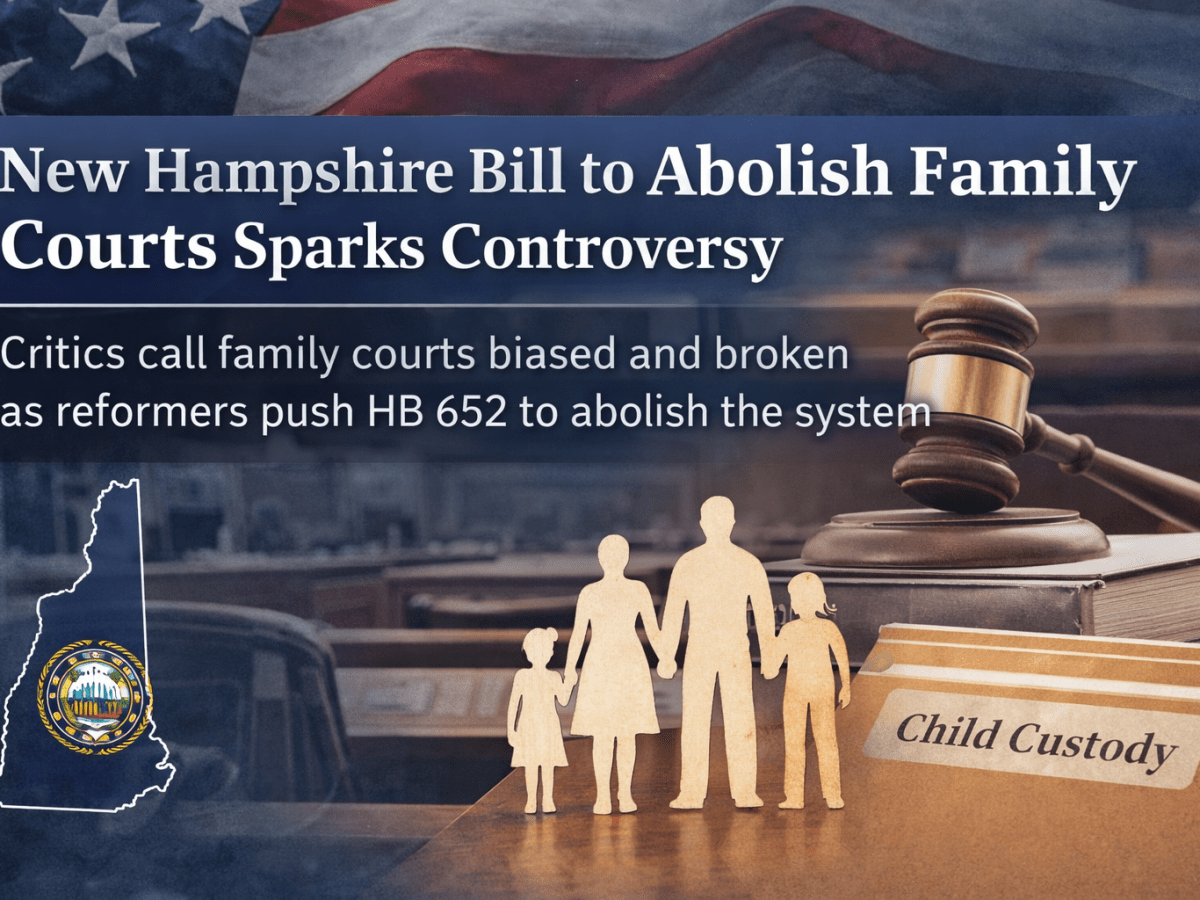
New Hampshire Considers First-in-the-Nation Move to Abolish Family Court System
New Hampshire’s House Bill 652 proposes significant changes to the family justice system, aiming to replace specialized Family Division courts with a mediation-first model under general jurisdiction courts. Advocates cite issues of bias and inefficiency, while opponents warn of potential chaos and loss of expertise. The bill has reignited a crucial debate on family law’s…


When Algorithms Become Evidence: A Warning on AI Deepfakes and Due Process
A Pennsylvania-linked case shows how unverified AI-generated text messages sent an innocent woman to jail, exposing dangerous gaps in due process as courts struggle to keep pace with rapidly advancing technology.

Massachusetts’ VMT Push: Climate Planning or a Quiet War on Driving?
Massachusetts lawmakers are considering Senate Bill S.2246 to reduce vehicle miles traveled and emissions. While the bill does not impose driving limits, critics warn it could pressure drivers, particularly in rural areas, by prioritizing public transit over road expansions. This reflects a trend towards centralized climate policies, raising concerns about personal mobility.

AI Hallucinations in Pennsylvania Courts Raise National Questions About Tech and Judicial Integrity
In Pennsylvania, judges face growing issues with “AI hallucinations” in legal filings, leading to fabricated case law and misquotes. A recent court exchange revealed the risks of unverified AI usage. This situation highlights a national concern about the balance between technological adoption and maintaining legal accuracy, threatening public trust and judicial integrity.

Federal Judge Sides With Massachusetts Father in Opt-Out Dispute Over LGBTQ-Themed Kindergarten Books
A federal judge in Massachusetts ruled in favor of a father seeking to exempt his child from LGBTQ-themed books in a kindergarten class, citing the U.S. Supreme Court’s 2025 ruling on parental opt-out rights. The judge concluded that exposure to these materials could harm the child’s religious upbringing. The decision raises concerns about classroom inclusivity…

Massachusetts’ $2.1B Sagamore Bridge Replacement Highlights the Cost of Critical Infrastructure
Massachusetts is progressing with the $2.1 billion Sagamore Bridge replacement, aimed at improving safety and economic reliability. However, the project affects Bourne’s Round Hill neighborhood significantly, as eminent domain proceedings will displace families. While necessary for regional resilience, this project raises concerns about the balance between public benefit and individual loss.

Maine GOP Warns of “Fraud by Design” as Medicaid Scandal Fuels National Debate
A Medicaid fraud investigation in Maine, involving Gateway Community Services LLC and over $1.7 million in overbilling, has sparked political tensions. Republican leaders accuse Democratic administrations of fostering a culture of fraud, while Democrats caution against politicization. Ongoing investigations may reshape oversight and funding of social programs nationwide.
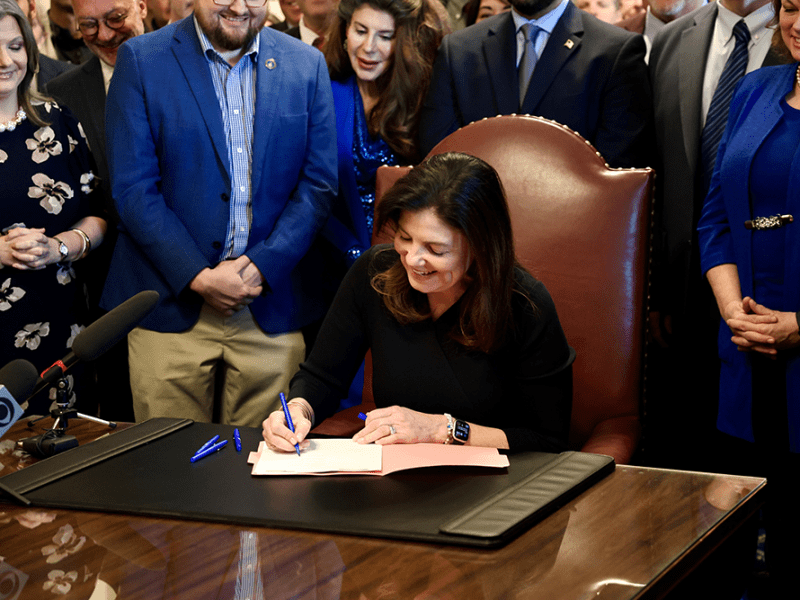
New Hampshire Enacts First Statewide Sanctuary City Ban in New England
New Hampshire has enacted a statewide ban on sanctuary city policies effective January 1, 2026, under Republican Governor Kelly Ayotte. The law, stemming from bipartisan support, mandates cooperation with federal immigration authorities and penalizes non-compliant municipalities. Critics argue it could damage community trust and is unnecessary in a state with low undocumented populations.
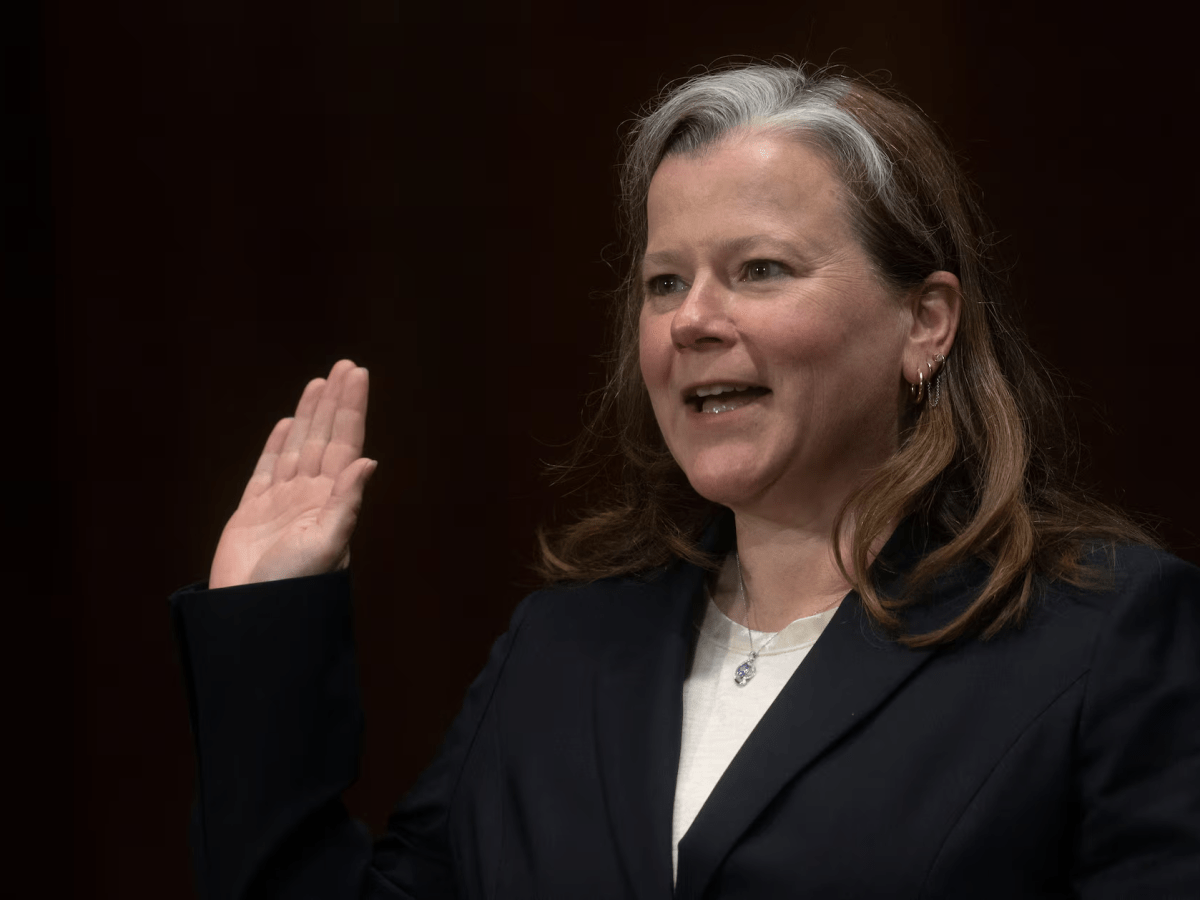
When Judges Police Themselves: The Troubling Case of Judge Sarah A.L. Merriam
A complaint against Judge Sarah Merriam of the U.S. Court of Appeals alleges bullying and intimidation, raising concerns about judicial accountability. Previous inquiries deemed her management style excessively harsh. The Legal Accountability Project seeks reforms for protecting clerks, highlighting the judiciary’s reliance on self-policing, which undermines public trust.
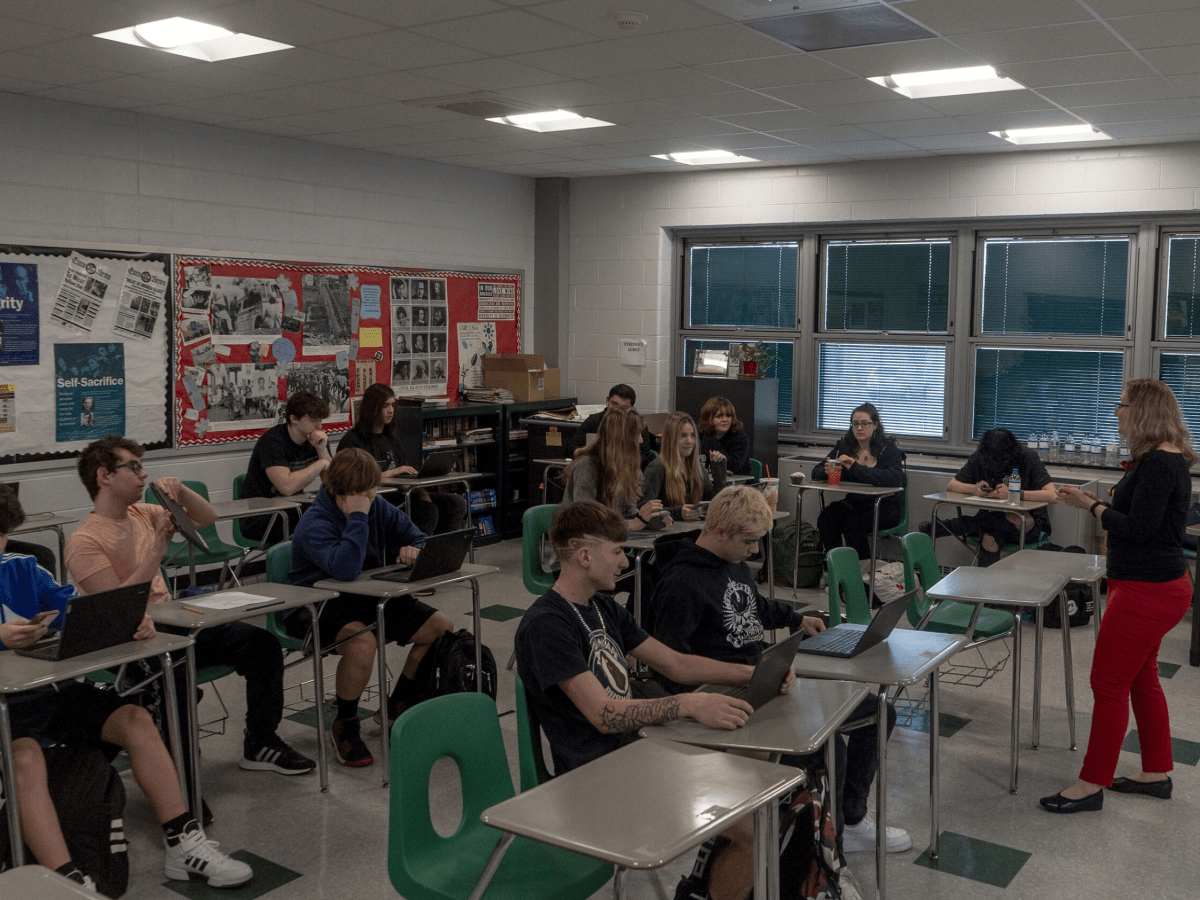
New Jersey Takes a Measured Step on Chronic Absenteeism — But Accountability Must Follow
New Jersey lawmakers have established a 18-member task force to tackle chronic absenteeism in schools, particularly heightened since the pandemic. The task force will analyze attendance trends and recommend solutions to improve engagement and accountability. The effectiveness of this initiative hinges on actionable steps to ensure student attendance and long-term educational recovery.

Massachusetts Schools Are Still #1—But Warning Lights Are Flashing
Massachusetts still leads the nation in test scores, but its long-standing edge is slipping as accountability weakens, literacy lags, and reform efforts collide with union resistance. The question is no longer whether the Commonwealth is #1—but how long it can stay there.

New England’s Lobster Heist Is No Joke: What Seafood Theft Reveals About a Growing Crime Crisis
A $400,000 lobster meat hijacking and a string of seafood thefts across New England reveal a growing organized crime threat exploiting America’s supply chains—driving up costs, hurting small businesses, and exposing serious law-enforcement gaps.

New Jersey Bets on Artificial Intelligence—But Can It Balance Innovation and Reality?
New Jersey seeks to become a leader in artificial intelligence through public-private partnerships and tax incentives, avoiding stringent regulations. While some support this growth strategy, critics highlight underreported costs, including energy and infrastructure demands. Public trust and careful regulatory balance will be crucial for success in this ambitious initiative.

Tipsy Justice: New Jersey Mandolin Thief Returns $9,000 in Instruments With a Handwritten Apology
A Teaneck man who stole nearly $9,000 in vintage mandolins from a North Jersey music shop returned them days later with a handwritten apology blaming alcohol and wishing everyone a Merry Christmas—turning a routine theft into one of the strangest feel-good stories of the holiday season.

A Tragic Reminder of Hidden Danger Inside the Home: New Jersey Reckons With Domestic Violence After Imani Dia Smith’s Death
The killing of former Broadway child star Imani Dia Smith is a tragic reminder that the most dangerous threats often exist behind closed doors. As New Jersey confronts another case of intimate partner violence, the focus must shift beyond headlines to accountability, prevention, and the lasting trauma faced by children left behind.

Massachusetts’ 2026 Laws: Public Safety, Cannabis Expansion, and a High-Stakes Ballot Year
As Massachusetts approaches 2026, new laws and ballot initiatives highlight a trend of government expansion with significant voter involvement. Key changes include regulated cannabis consumption, mandatory boating safety education, increased paid family leave benefits, and a crowded ballot with impactful proposals. The year will examine policy effectiveness versus regulatory complexity.
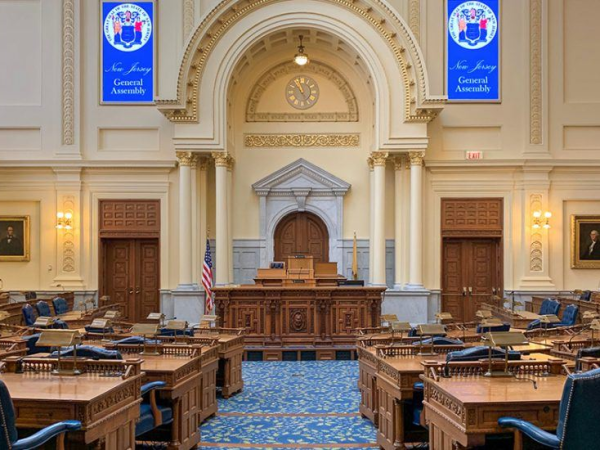
New Jersey Democrats Push State-Level Voting Rights Law — Critics Warn of Overreach and Litigation Risks
New Jersey’s Democratic delegation is advocating for the Voter Empowerment Act, aiming to enhance voting rights in response to federal court rulings. The bill proposes expanded language assistance, new legal tools for election challenges, and preclearance for local election changes. Critics raise concerns over litigation risks and potential impacts on voter confidence.

NJ Family Leave Expansion Heads to Governor’s Desk, Raising New Concerns for Small Businesses
New Jersey’s new family leave bill expands job protection to employees at businesses with 15 or more workers. If signed by Governor Murphy, it reduces eligibility criteria and allows up to 12 weeks of unpaid leave. While supporters argue it benefits workers, critics caution about the burdens on small businesses, highlighting a balance in policymaking.

Brown University Shooting Leaves Two Students Dead, Raises Hard Questions About Campus Safety and Rushed Narratives
Two students are dead and nine others injured after a mass shooting inside a Brown University classroom during finals week — a tragedy that has shaken the campus and exposed hard questions about security, mental health failures, and the rush to politicize violence before the facts are known.
 New York Bay News