Author: Michael Phillips
-

Massachusetts’ $2.1B Sagamore Bridge Replacement Highlights the Cost of Critical Infrastructure
Massachusetts is progressing with the $2.1 billion Sagamore Bridge replacement, aimed at improving safety and economic reliability. However, the project affects Bourne’s Round Hill neighborhood significantly, as eminent domain proceedings will displace families. While necessary for regional resilience, this project raises concerns about the balance between public benefit and individual loss.
-

Former Broome County Family Court Judge Denied New Trial in Federal Harassment Case
A federal judge upheld a jury’s verdict against former Broome County Judge Richard H. Miller II in a gender-discrimination case, denying his request to overturn the ruling. The jury found Miller liable for creating a hostile environment, awarding $200,000 to former court secretary Rachelle Gallagher and highlighting judicial accountability.
-

Maine GOP Warns of “Fraud by Design” as Medicaid Scandal Fuels National Debate
A Medicaid fraud investigation in Maine, involving Gateway Community Services LLC and over $1.7 million in overbilling, has sparked political tensions. Republican leaders accuse Democratic administrations of fostering a culture of fraud, while Democrats caution against politicization. Ongoing investigations may reshape oversight and funding of social programs nationwide.
-

New Hampshire Enacts First Statewide Sanctuary City Ban in New England
New Hampshire has enacted a statewide ban on sanctuary city policies effective January 1, 2026, under Republican Governor Kelly Ayotte. The law, stemming from bipartisan support, mandates cooperation with federal immigration authorities and penalizes non-compliant municipalities. Critics argue it could damage community trust and is unnecessary in a state with low undocumented populations.
-

Bronx Car Fire Homicide Marks New York City’s First Killing of 2026
New York City marked the first hours of 2026 with tragedy after a 55-year-old rideshare driver was found shot to death inside a burning SUV in the Bronx. No arrests have been made, raising urgent questions about safety for gig workers and the city’s crime narrative heading into the new year.
-
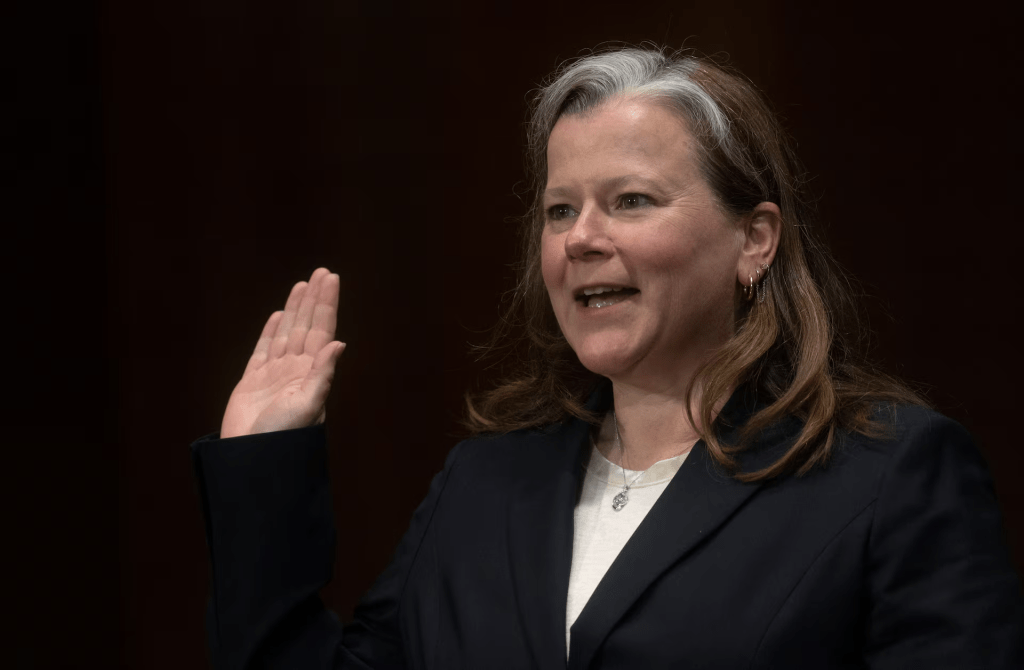
When Judges Police Themselves: The Troubling Case of Judge Sarah A.L. Merriam
A complaint against Judge Sarah Merriam of the U.S. Court of Appeals alleges bullying and intimidation, raising concerns about judicial accountability. Previous inquiries deemed her management style excessively harsh. The Legal Accountability Project seeks reforms for protecting clerks, highlighting the judiciary’s reliance on self-policing, which undermines public trust.
-
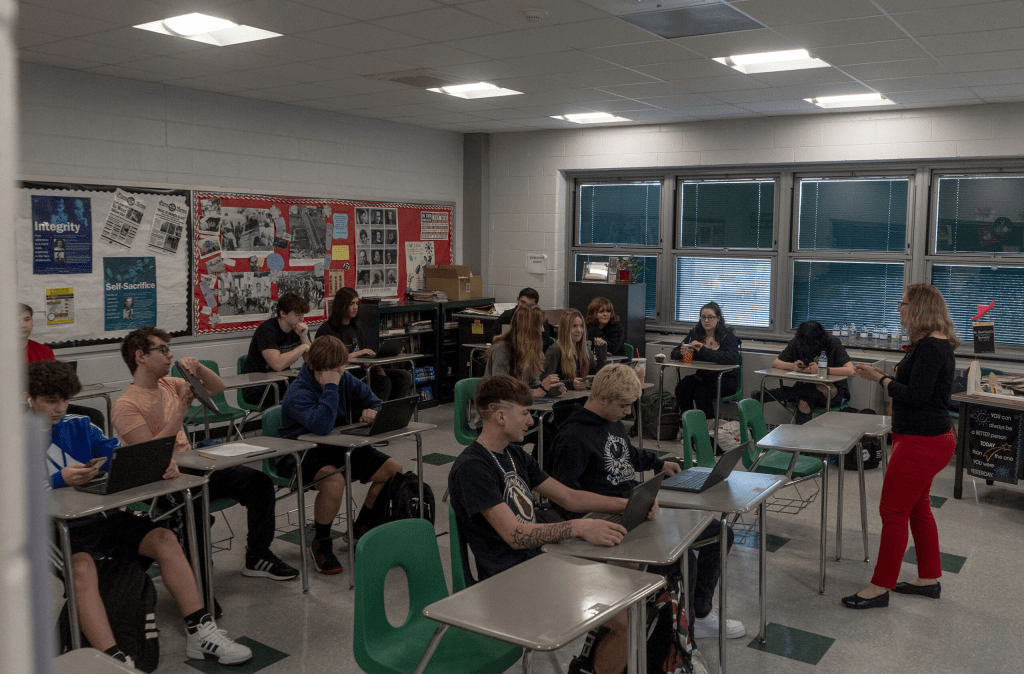
New Jersey Takes a Measured Step on Chronic Absenteeism — But Accountability Must Follow
New Jersey lawmakers have established a 18-member task force to tackle chronic absenteeism in schools, particularly heightened since the pandemic. The task force will analyze attendance trends and recommend solutions to improve engagement and accountability. The effectiveness of this initiative hinges on actionable steps to ensure student attendance and long-term educational recovery.
-

Brooklyn Family Court Ends Compulsion — But an Autistic Child Remains Missing
A Brooklyn Family Court ruling has relieved Jacqueline Pritchett of further obligations regarding her missing son, Jacob, an autistic boy last seen in 2025. Despite constitutional protections upheld, child safety remains at risk, and authorities lack information or leads in a case raising concerns about parental accountability and systemic failures in child welfare.
-
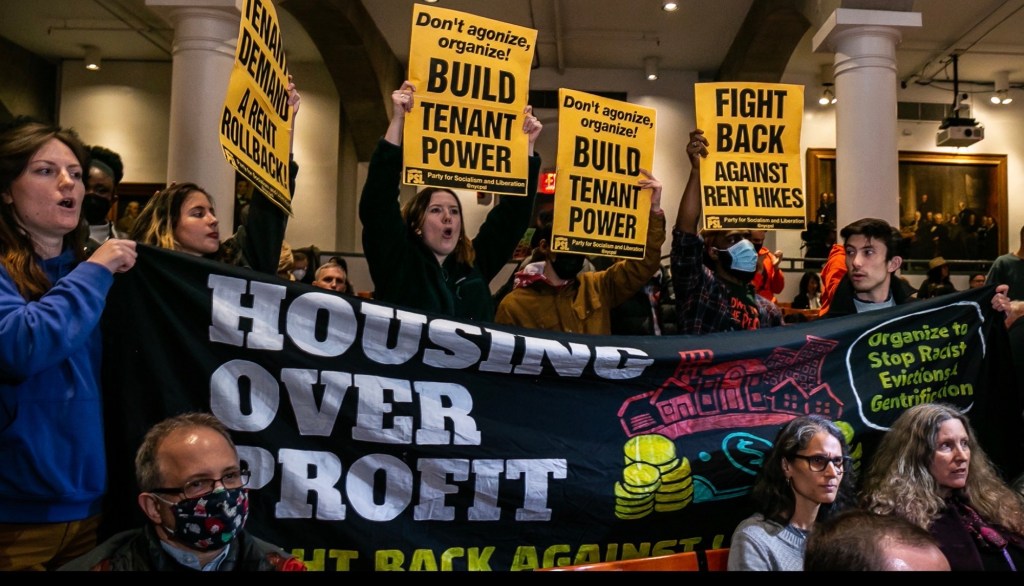
NYC Council Passes COPA Housing Law, Setting Up Showdown Over Property Rights and Affordability
New York City’s newly passed Community Opportunity to Purchase Act gives nonprofit housing groups priority access to certain distressed apartment buildings—but critics warn it could delay sales, chill investment, and infringe on private property rights.
-
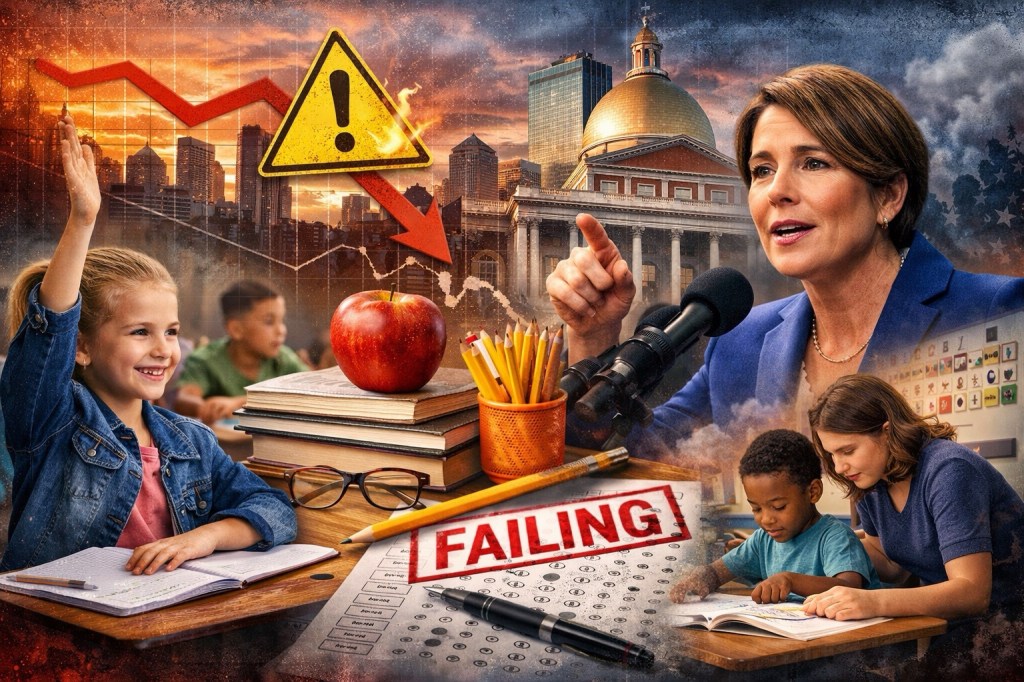
Massachusetts Schools Are Still #1—But Warning Lights Are Flashing
Massachusetts still leads the nation in test scores, but its long-standing edge is slipping as accountability weakens, literacy lags, and reform efforts collide with union resistance. The question is no longer whether the Commonwealth is #1—but how long it can stay there.
 New York Bay News